Infrastructure
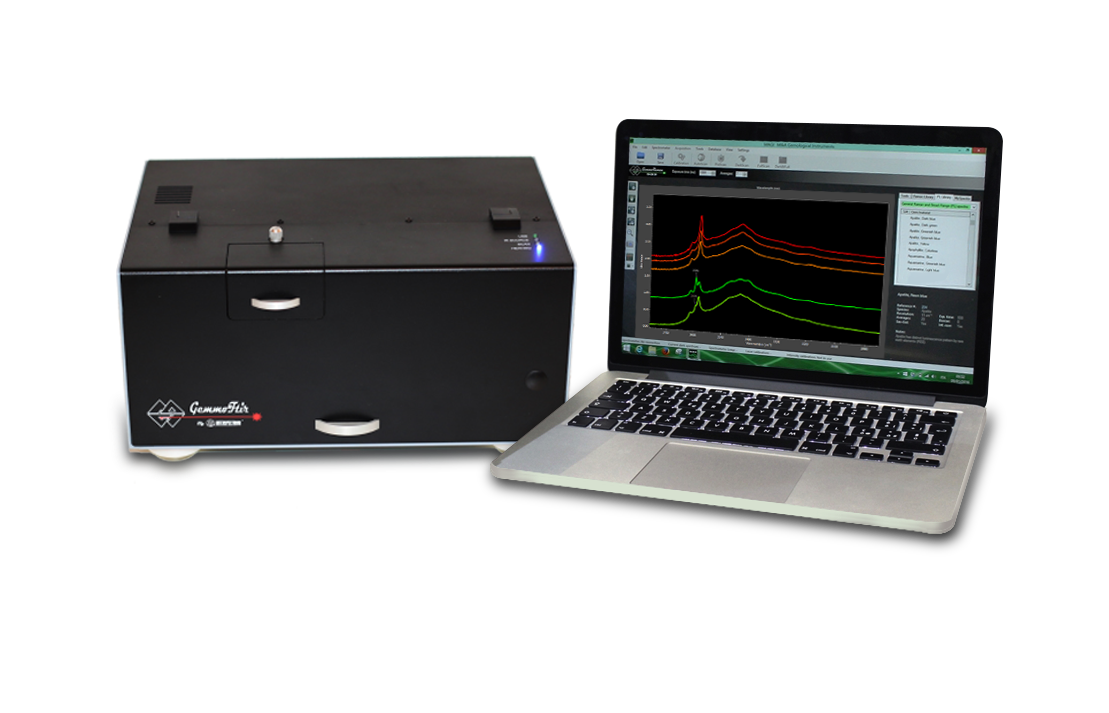
Capturing High Resolution Data
FTIR measures material absorption in the infrared spectrum, creating a distinct molecular fingerprint.
This non-destructive, fast, reliable, and straightforward technique finds application in:
1. Gem material detection.
2. Differentiation between certain natural and synthetic gem materials, such as emerald and quartz.
3. Evaluation of heat treatment effects on ruby and sapphire.
4. Detection of oil, resin, and polymer impregnation in emerald and jadeite.
Infrastructure
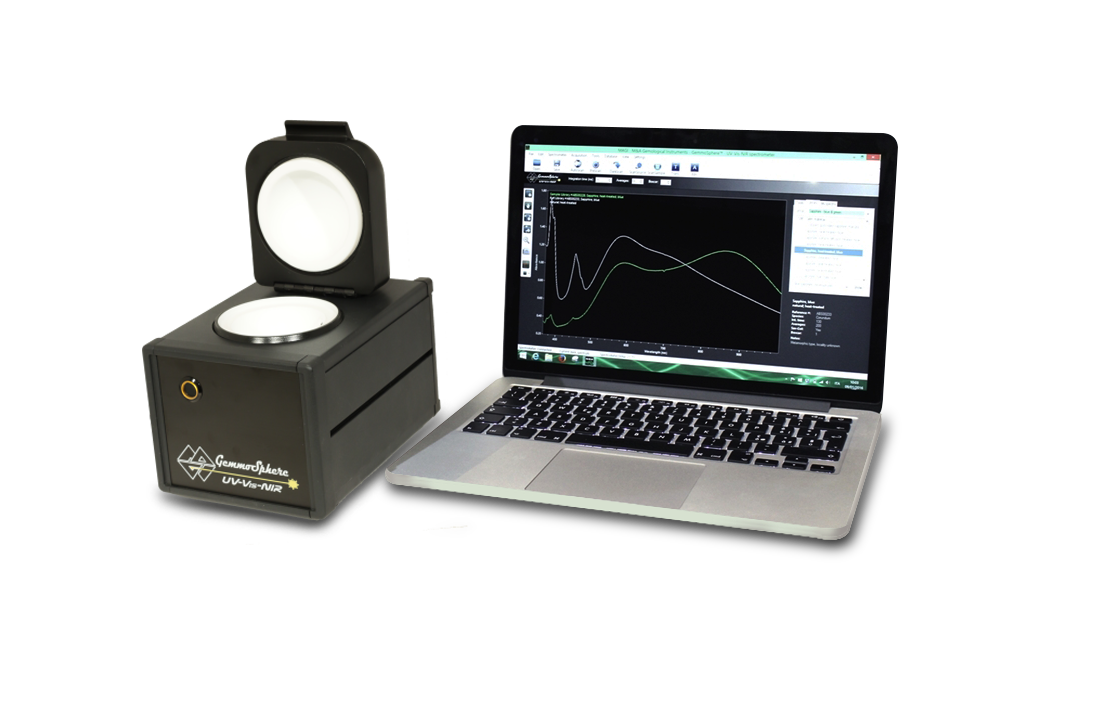
Measuring the Light Absorption Accurately
UV-VIS spectroscopy utilizes the absorption patterns within the UV radiation range of gemstones.
This non-destructive method finds applications in:
1. Detection of gem materials.
2. Evaluation of heat treatment effects on sapphires.
3. Assessment of color variations in gemstones.
4. Assisting in determining the origin of emeralds and sapphires, as different origins can produce distinct absorption patterns.
5. Serving as an identification tool for minerals.
Infrastructure
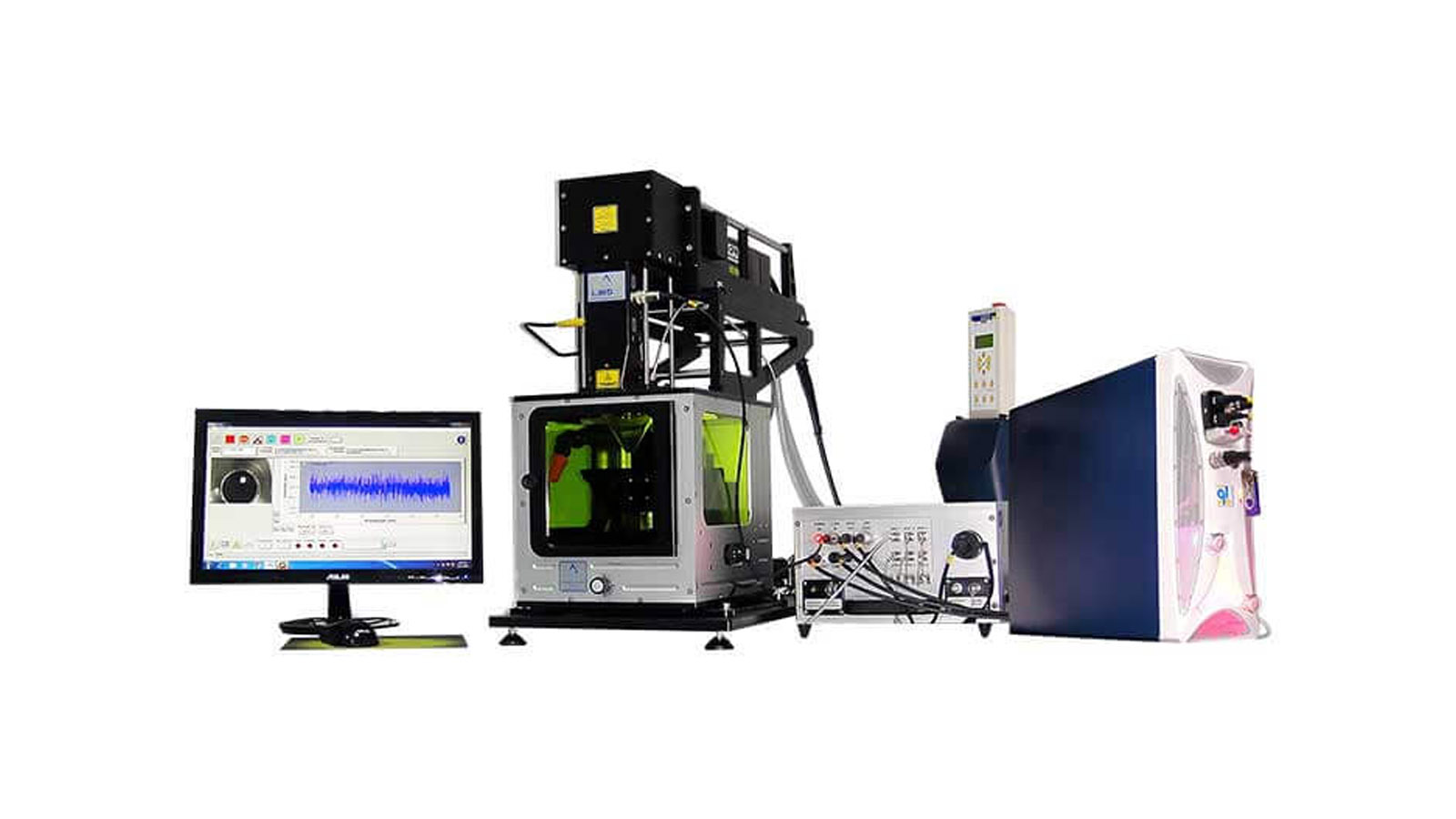
Significantly Lowering the cost of Beryllium Testing
LIBS, an elemental analysis instrument, offers efficient throughput for the detection of Beryllium (Be) in Corundum. The instrument functions by analyzing the spectrum of the plasma generated by each element. A high-energy ultraviolet laser is used to vaporize a small spot of the sample (50-100um). The vaporized gas of the element is excited through laser ablation, transforming it into a plasma state (highly energized ionized gas). Subsequently, the excited plasma returns to a normal gas state while emitting specific light characteristic to each element.
Infrastructure
Studying Gemstone Inclusions
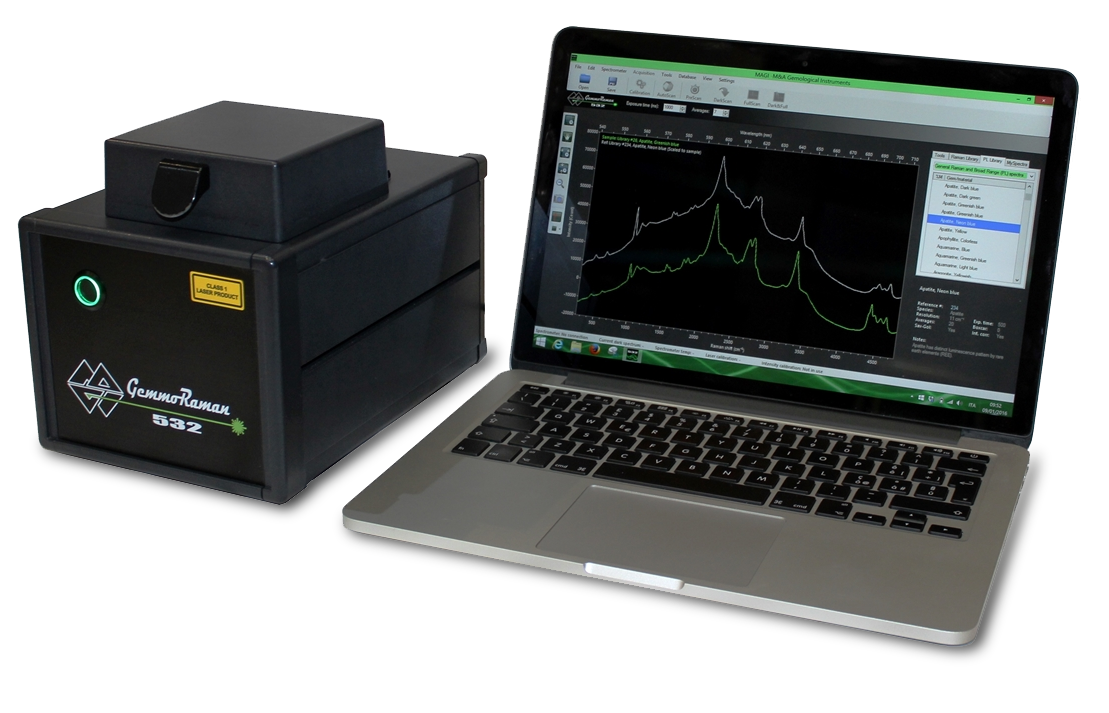
The 'Raman effect' scatters photons in gem materials, enabling gem identification through spectral analysis.
Raman Spectroscopy is a non-destructive and efficient tool for:
1. Identifying gem materials, including both the entire gem or specific parts of the material, as well as distinguishing imitations.
2. Ideal for identifying cut and polished gems, but can also be utilized for identifying rough materials.
3. Identifying loose or mounted gems.
4. Identifying inclusions within gemstones.
5. Detecting impregnation of oil and resins in Emeralds.